

Water in the Desert: Author Q&A with Gary Paul Nabhan
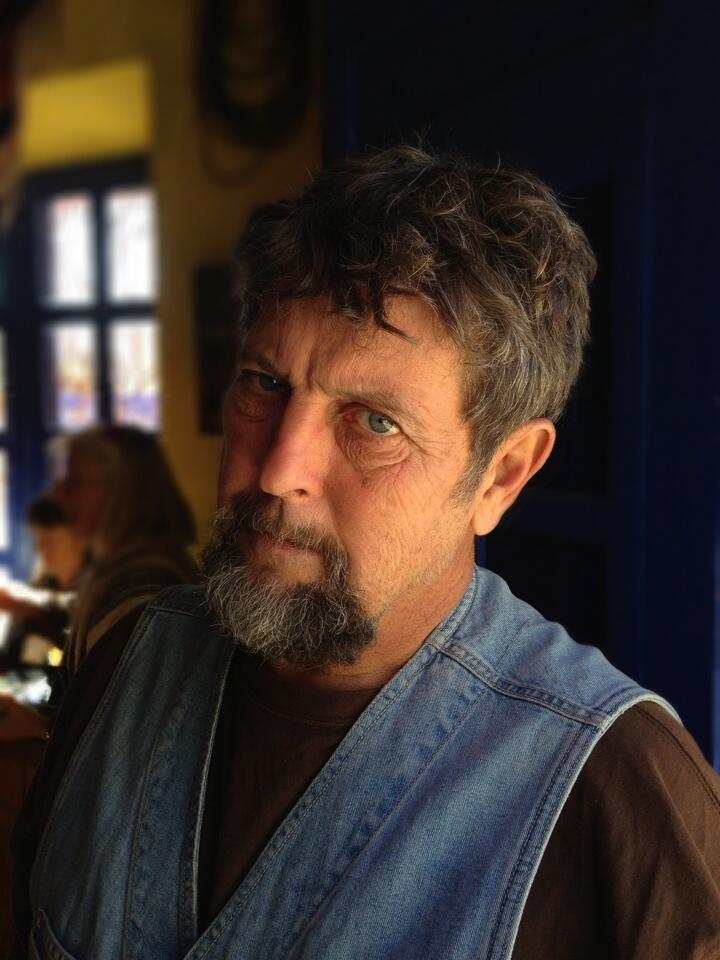
In this conversation, we talk with Gary Paul Nabhan, author of Water in the Desert, about how dreams and science have influenced his creative practice, the Lebanese poet Jubrān Khalīl Jubrān, and how the process of grieving opens us up to relationality.
Kamra Heldman: How does relationality drive your creative process?
Gary Paul Nabhan: Noticing unanticipated relations between plants and animals, animals and people, people and people are the sparks that ignite my writing fervor. Suddenly, being made aware of these interactions opens the doors of perception, and wild words flow out onto paper.
Kamra Heldman: Can you share the influence dreams have on your spirituality and creative practice?
Gary Paul Nabhan: It is really too strange for most folks to believe, but I have had dreams in the night that make me sit right up in bed, grab the closest pen and scrap paper, scribble the images and story line down, then fall back asleep. The next day or weekend, I discover the scribblings on a piece of paper under the bed, transcribe them into my computer, edit them to make the flow a bit more cohesive, then send them off to an editor who accepts them verbatim. That once happened with David Rothenberg when he was editing Terra, and twenty years later, I confessed that it was a dream weaving. I laughed with joy that David was that open to such weirdness.
But science always paid back the poetry for helping me along, gifting me with metaphors, images and storylines that would never have come to me without the practice of science coursing through my veins.
Kamra Heldman: What value have you derived—relationally, politically, or otherwise—in linkingscience with poetics?
Gary Paul Nabhan: Oftentimes as I was puzzling over an ecological problem in my desert research, I would stay up all night around a campfire writing metaphors that might guide the research. Some were soon published as poems or essays, even though it might have taken another year or decade to test a hypothesis that emerged from the poem with scientific rigor. But science always paid back the poetry for helping me along, gifting me with metaphors, images and storylines that would never have come to me without the practice of science coursing through my veins.
Kamra Heldman: You write significantly of images and their role in your development. How do you trust your interpretation of images?
Gary Paul Nabhan: Of course, vivid images that come out of the blue can lead us astray, as the sirens who tempted the hero in the Odyssey, and diverted his attention while he tried to navigate his way home. My initial hunches or images can be misleading. My brash interpretations can be wrong-headed. That’s why I must rely on contemplative practice, to separate the wheat from the illusory chaff.
Kamra Heldman: You observe suffering and a general sense of malaise in American society that restricts our ability to connect and empathize. What is the root of our culture’s pain and how does one welcome joy into their life amid political discordance?
Gary Paul Nabhan: If I have learned anything, it is that extreme suffering and unbounded joy are often hitched at the hip. My Lebanese predecessor in poetry, Jubrān Khalīl Jubrān, reminded us that “our joys are our sorrows unmasked.” How could I ever reach joy unless I navigate through suffering, rather than being restricted and blocked by it? The political discord most of us experience today is related to the impending collapse of an obsolete paradigm that greed, disrespect and conflict can help us “get ahead.” I think most Americans are sick of the divisiveness in this country and are ready to walk toward each other toward the radical center, which is more radical and difficult to achieve than either extreme. But what will emerge as the new paradigm is something no single one of us can predict. We must collectively act it out.
I think most Americans are sick of the divisiveness in this country and are ready to walk toward each other toward the radical center, which is more radical and difficult to achieve than either extreme.
Kamra Heldman: Do you trust in the concept of angels as guides?
Gary Paul Nabhan: Oh, I do in my heart. So many guardians have flown into my life at the moments when I was most broken and needed guidance. For a while I thought they were flycatchers or ravens hovering over me. But then I accepted that the overused angel was keeping me from seeing what they had to offer. Now I realize that all angels don’t look like pretty chorus girls in silk gowns; they can come as horned lizards, thorny mesquite trees or clowns as well.
Kamra Heldman: You discuss the impact that losing people dear to you, either through death or growing apart, had in shaping you as someone who is set apart. In the sense of being a creature of the margins, how do you claim grief and tenderness as your center?
Gary Paul Nabhan: I shrill grieve the people-young and old—that I have prematurely lost from my life. But did I, or are they there in some other form as a continuing presence?
To even say “they shaped me” is understatement. They rescued me, pulled me out of dark pits and pushed me away from being crushed by speeding railroad trains. I have no life without them, from microbes to former lovers to saints and heretics. I live only in relation, never in isolation. That’s why my pronouns are we and us.
Gary Paul Nabhan
Gary Paul Nabhan is a celebrated ethnobotanist and biocultural conservationist whose groundbreaking work has advanced ecological restoration, pollinator recovery, and Indigenous food revitalization.
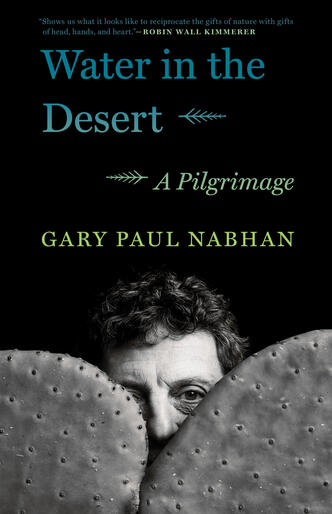
An NPR Most Anticipated Book of the Summer
“A generous invitation to follow the many streams that flow into the river of Gary Paul Nabhan’s remarkable life and work.”—Robin Wall Kimmerer, author of Braiding Sweetgrass
“I have waited decades for these epic tales to be gathered in one serpentine narrative capable of rattling our souls.”—Terry Tempest Williams, author of The Glorians
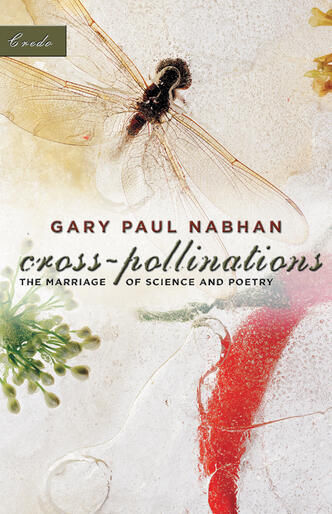
Meditating on the successful marriage of science and poetry, these essays cover true stories about color-blind scientists, the knowledge stored in ancient Native American songs, the link between an Amy Clampitt poem and diabetes research, and a unique collaboration in support of the Ironwood Forest National Monument.
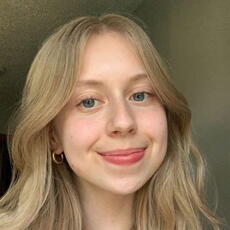
Kamra Heldman
Kamra Heldman is a poet and educator from Minneapolis. Her experience in librarianship, academia, and publishing empowered her to cultivate a reverence for community. She is committed to learning about the human condition through art and is fascinated by work that explores relationships to the self, other people, and the natural world. Her writing centers around femininity, spirituality, social justice, and connection. She received her Masters in Poetry from the University of St Andrews and teaches creative writing in the Twin Cities.