

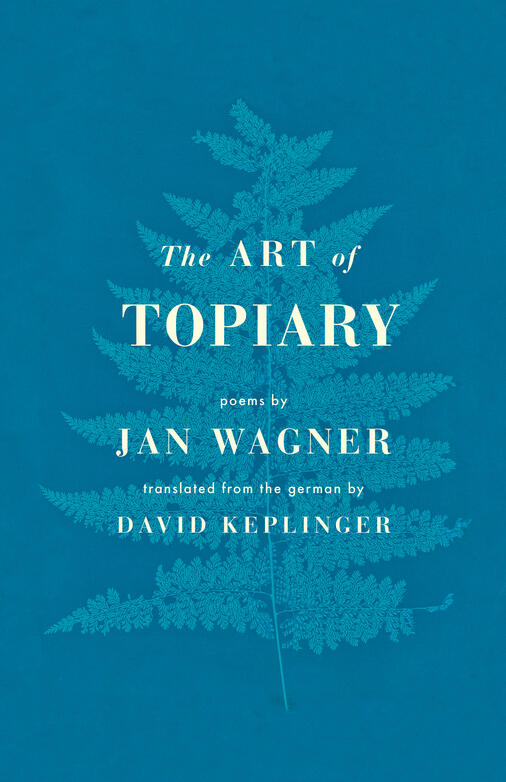
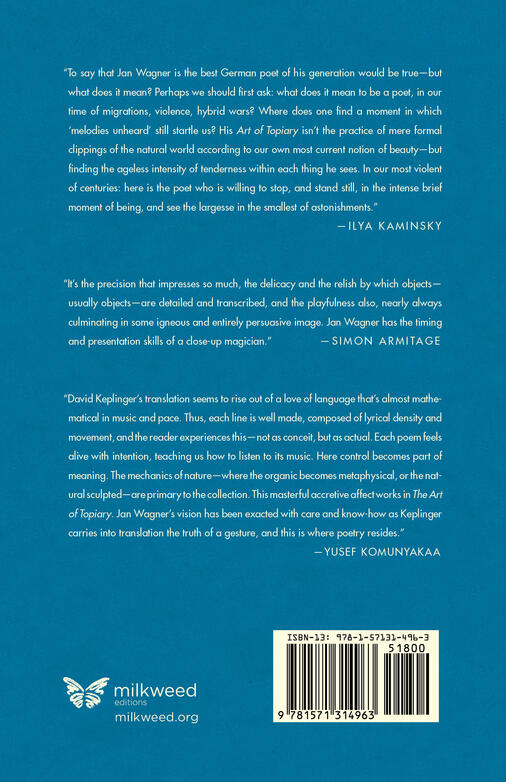
The Art of Topiary
A dual-language collection of vivid, tightly knit poems from one of the most important contemporary poets writing in German.
The Art of Topiary is the gorgeous product of a long collaboration between Jan Wagner and American poet David Keplinger. With the care of master gardeners tending their plants, Wagner and Keplinger have shaped Wagner’s originals—acclaimed internationally, now in English for the first time—into precise, delightful, and highly modern translations.
Along the way, the collection unfolds dialogues between discipline and freedom, sound and sense, faithfulness and improvisation. In these poems, formal structures are a corset loosened by each line of verse, a garden always pleasurably at risk of being overrun. Yet for all Wagner’s wit and sharp poetic detail, The Art of Topiary is written with an intimate earnest: a swarm of gnats take on an urgent mystery as they hum in code around the speaker’s ears, a bird atop a rhino’s leathery back becomes a fragile porcelain cup, and the antlers of an elk reach for the air like a champion for a trophy.
Compact, lightfooted, and curious, The Art of Topiary is the exciting American debut of a stunning and joyful voice in global literature.
Like this book? Sign up for occasional updates
Related Media
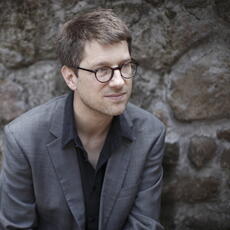
Jan Wagner
Jan Wagner is a German poet, essayist, and translator. His collections of poems include Guerickes Sperling, Achtzehn Pasteten, Australien, and Regentonnenvariationen, for which he was awarded the Prize of the Leipzig Bookfair.

David Keplinger
David Keplinger is the author of eight collections of poetry, including Another City, which was awarded the 2019 UNT Rilke Prize, and Ice, which won the 2024 Ellen Anderson Award from the Poetry Society of Virginia.
Praise and Prizes
You Might Enjoy
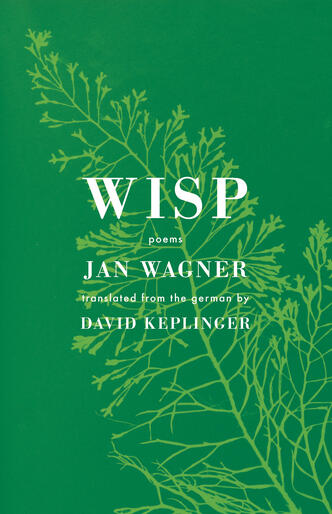
“Luminous… Wisp transforms ordinary objects, animals, landscapes, and historical figures into portals of reflection.”—Ilya Kaminsky, author of Deaf Republic
A dual-language collection examining impermanence as the source of beauty from one of the…
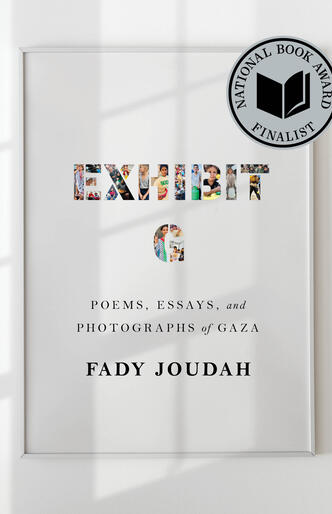
Finalist for the 2026 National Book Awards
A Millions Most Anticipated 2026 Selection
“This is poetry of the highest order, and a stunning reminder of what words can do.”—Omar El Akkad
“Hold this book, read every word, study every picture, notice the…
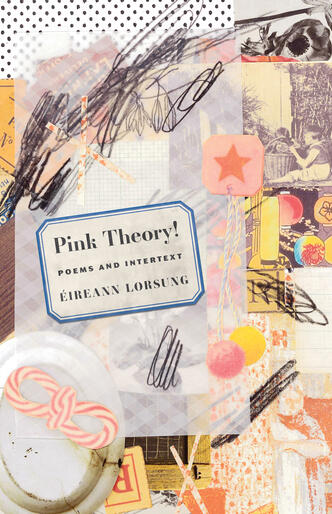
Tactile and synesthetic, Pink Theory! is a migratory exploration of image, poetic form, and philosophy that declares, “We cannot make the world alone.”
“We begin with the alphabet. Then we go anywhere,” writes Éireann Lorsung in her vibrant fifth…
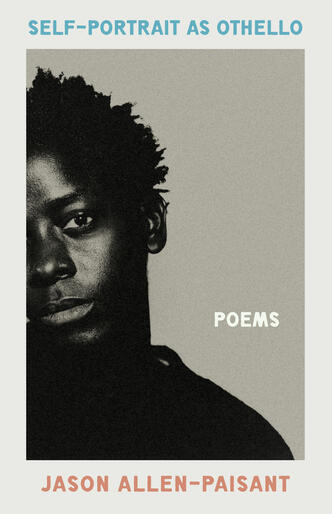
Winner of the Forward Prize
Winner of the T. S. Eliot Prize
“A book with large ambitions that are met with great imaginative capacity.”—Paul Muldoon
In the centuries since Shakespeare’s Othello first hit the stage, the eponymous character has been…
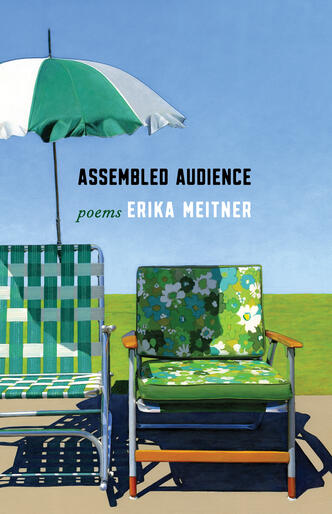
These poems are deeply generous to the reader, serious and playful, alchemizing and liberating.”—Maggie Smith, author of You Could Make This Place Beautiful and Goldenrod
The seventh collection by award-winning poet Erika Meitner, Assembled Audience e…
On Writing Banbas/Exile: A Ramayan Retelling
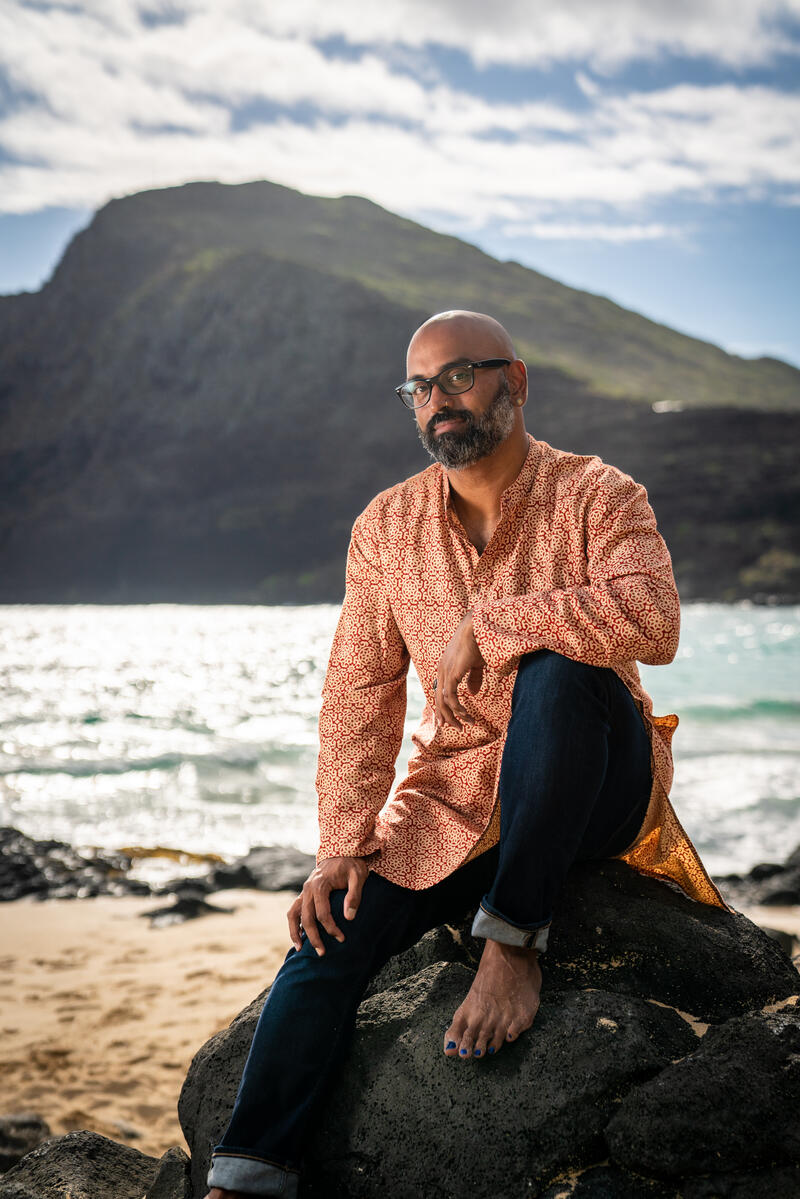
Rajiv Mohabir tells us about writing Banbas/Exile: A Ramayan Retelling—how it emerged from his grandmother’s language that was…