

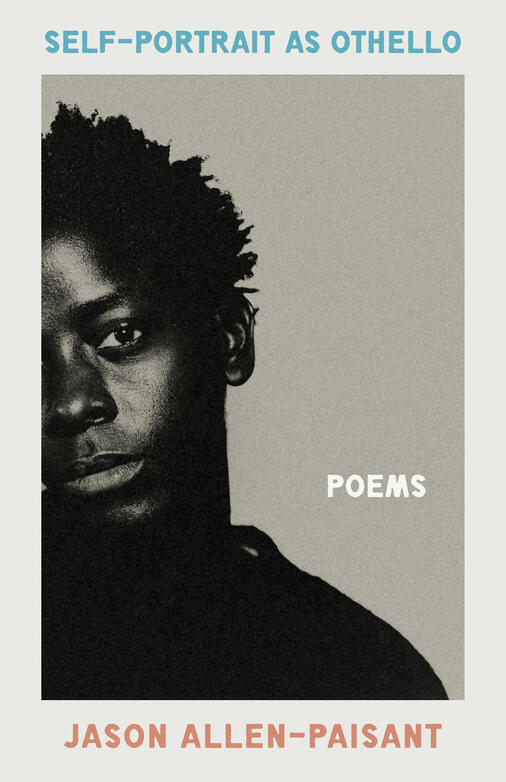
Self-Portrait as Othello
“A book with large ambitions that are met with great imaginative capacity.”—Paul Muldoon
Winner of the Forward Prize
Winner of the T. S. Eliot Prize
“A book with large ambitions that are met with great imaginative capacity.”—Paul Muldoon
In the centuries since Shakespeare’s Othello first hit the stage, the eponymous character has been subject to reinterpretation by countless artists around the world. Widely regarded as Shakespeare’s most famous Black character, Othello is also arguably the first Black hero in Western literature. Even so, the Bard’s Othello is acted upon by the forces around him far more than he wields them.
Assuming multiple masks as Othello in contemporary landscapes, celebrated Jamaican poet Jason Allen-Paisant invents the kinds of narrative he might tell about his own intersecting identities—as immigrant, as a Black man, as masculine. A polyglot, Allen-Paisant expands the boundaries of ekphrasis in the urban landscapes of London, Paris, and Venice, and considers the Black male body, its hyper(in)visibility, transgressiveness, and vulnerabilities. Crossing liminal spaces of language and borders, the poet represents contradictory xenophobic tensions that were emerging in seventeenth century Venice and still reside with us today. Allen-Paisant’s method is to know language, remake it, and call it out.
An act of glorious resistance and lyrical reinvention, Self-Portrait as Othello commands large ambitions with sweeping theatricality and verve.
Like this book? Sign up for occasional updates

Jason Allen-Paisant
Praise and Prizes
You Might Enjoy
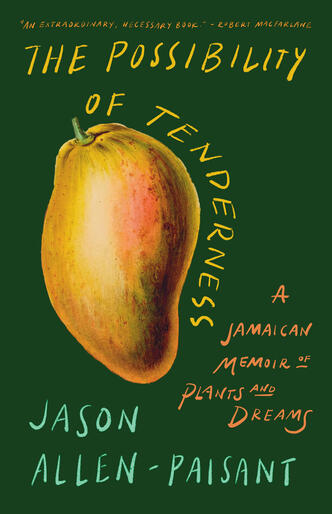
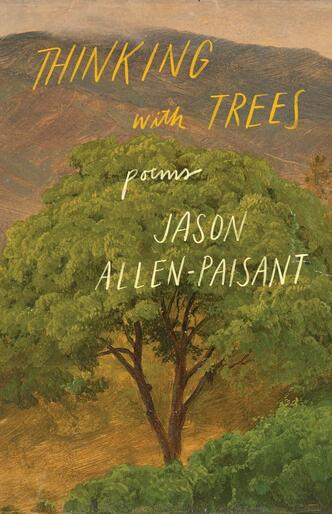
Jason Allen-Paisant has emerged in recent years as one of the most celebrated poets in the UK and across the West Indies. Winner already of the Forward Prize and the T. S. Eliot Prize, his writing has been acclaimed for its artistry and the fresh…
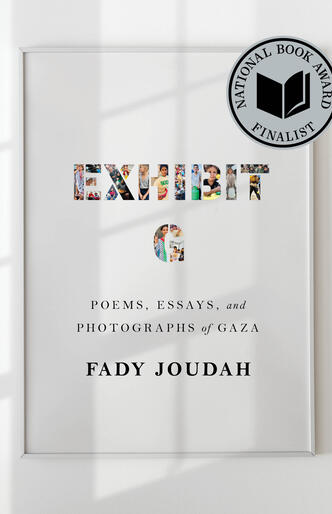
Finalist for the 2026 National Book Awards
A Millions Most Anticipated 2026 Selection
“This is poetry of the highest order, and a stunning reminder of what words can do.”—Omar El Akkad
“Hold this book, read every word, study every picture, notice the…
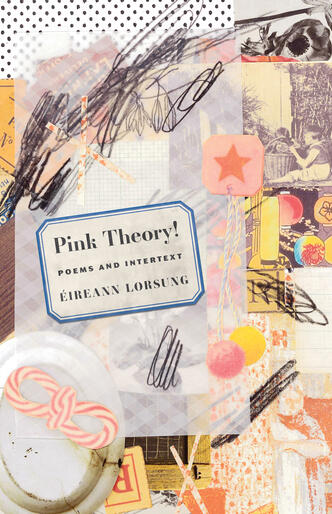
Tactile and synesthetic, Pink Theory! is a migratory exploration of image, poetic form, and philosophy that declares, “We cannot make the world alone.”
“We begin with the alphabet. Then we go anywhere,” writes Éireann Lorsung in her vibrant fifth…
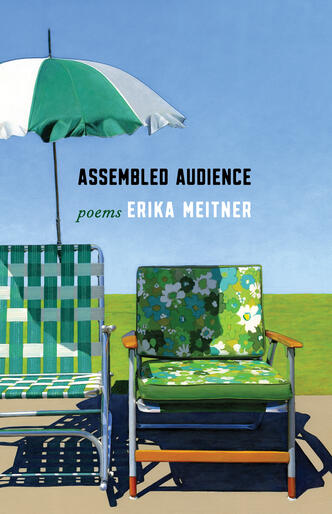
These poems are deeply generous to the reader, serious and playful, alchemizing and liberating.”—Maggie Smith, author of You Could Make This Place Beautiful and Goldenrod
The seventh collection by award-winning poet Erika Meitner, Assembled Audience e…
The Possibility of Tenderness: Author Q&A with Jason Allen-Paisant
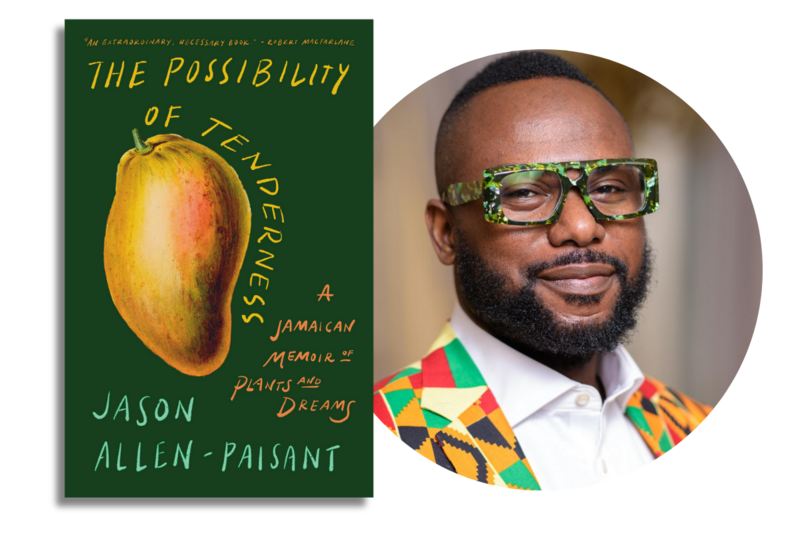
In anticipation of the release of The Possibility of Tenderness this fall, we sat down with author Jason Allen-Paisant…