


The New Carthaginians
“Like Dante entering hell through a rip in the universe, Makoha enters history, accompanied not by Virgil but by a Black Icarus with a microchip for a mouth, and the shade of the artist Jean-Michel Basquiat.”—The Guardian
Winner of the Poetry London Prize for “Hollywood Africans”
Finalist for the T. S. Eliot Prize
Finalist for the Forward Prize for “Codex©”
Finalist for the Jhalak Prize
Longlisted for the Griffin Poetry Prize
A Financial Times Best Summer Book of Poetry
“Like Dante entering hell through a rip in the universe, Makoha enters history, accompanied not by Virgil but by a Black Icarus with a microchip for a mouth, and the shade of the artist Jean-Michel Basquiat.”—The Guardian
In The New Carthaginians, time—and with it the world—is out of joint. A hijacked plane lands at Entebbe International Airport in 1976, triggering the crisis that will lead to Idi Amin’s Uganda becoming a pariah state and, within a few years, to the young Nick Makoha’s flight from the country.
A mysterious writer daubs poetic slogans in the walls of late-’70s New York City, signing them SAMO©. Three characters who are also one-the Poet, a Black Icarus, and a resurrected Jean-Michel Basquiat-journey through a time that is both our own and not, watching TV, discussing art and literature, and tucking their wings into their jackets on the way to airport security.
Concerned throughout with flight and falling, the sample and the loop, The New Carthaginians is a poetry collection of staggering originality, in which the familiar Western canons of art, history, and philosophy are taken apart and reassembled in a new configuration. Drawing on Basquiat’s technique of the ‘exploded’ collage, our heroes’ odyssey gathers symbols of a new mythos, through which the othering of Black life might be undone and the stage set for some fresh emergence, some transfigured understanding of myth and life. “Hold that note,” writes the poet. “In this place you are no longer the chorus… . In any future, remember: you are a New Carthaginian.”
Like this book? Sign up for occasional updates
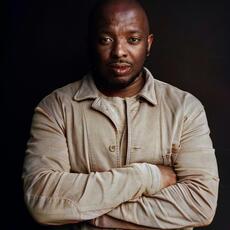
Nick Makoha
Nick Makoha is a Ugandan poet and playwright based in London. His debut collection, Kingdom of Gravity, was shortlisted for the Forward Prize and was a Guardian Best Book of the Year.
You Might Enjoy
Tactile and synesthetic, Pink Theory! is a migratory exploration of image, poetic form, and philosophy that declares, “We cannot make the world alone.”
“We begin with the alphabet. Then we go anywhere,” writes Éireann Lorsung in her vibrant fifth…
Winner of the Forward Prize
Winner of the T. S. Eliot Prize
“A book with large ambitions that are met with great imaginative capacity.”—Paul Muldoon
In the centuries since Shakespeare’s Othello first hit the stage, the eponymous character has been…
Finalist for the 2026 National Book Awards
A Millions Most Anticipated 2026 Selection
“This is poetry of the highest order, and a stunning reminder of what words can do.”—Omar El Akkad
“Hold this book, read every word, study every picture, notice the…
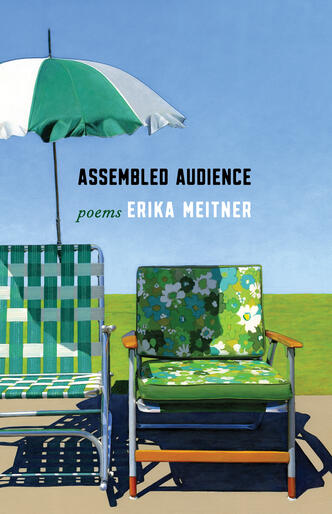
These poems are deeply generous to the reader, serious and playful, alchemizing and liberating.”—Maggie Smith, author of You Could Make This Place Beautiful and Goldenrod
The seventh collection by award-winning poet Erika Meitner, Assembled Audience e…
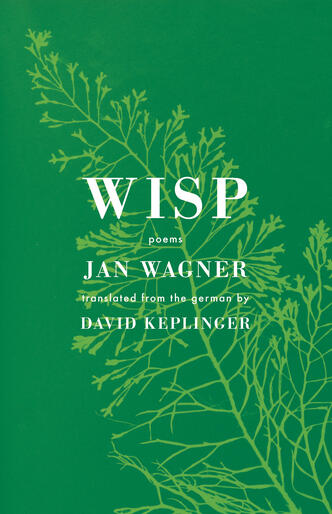
“Luminous… Wisp transforms ordinary objects, animals, landscapes, and historical figures into portals of reflection.”—Ilya Kaminsky, author of Deaf Republic
A dual-language collection examining impermanence as the source of beauty from one of the…
On Writing Banbas/Exile: A Ramayan Retelling
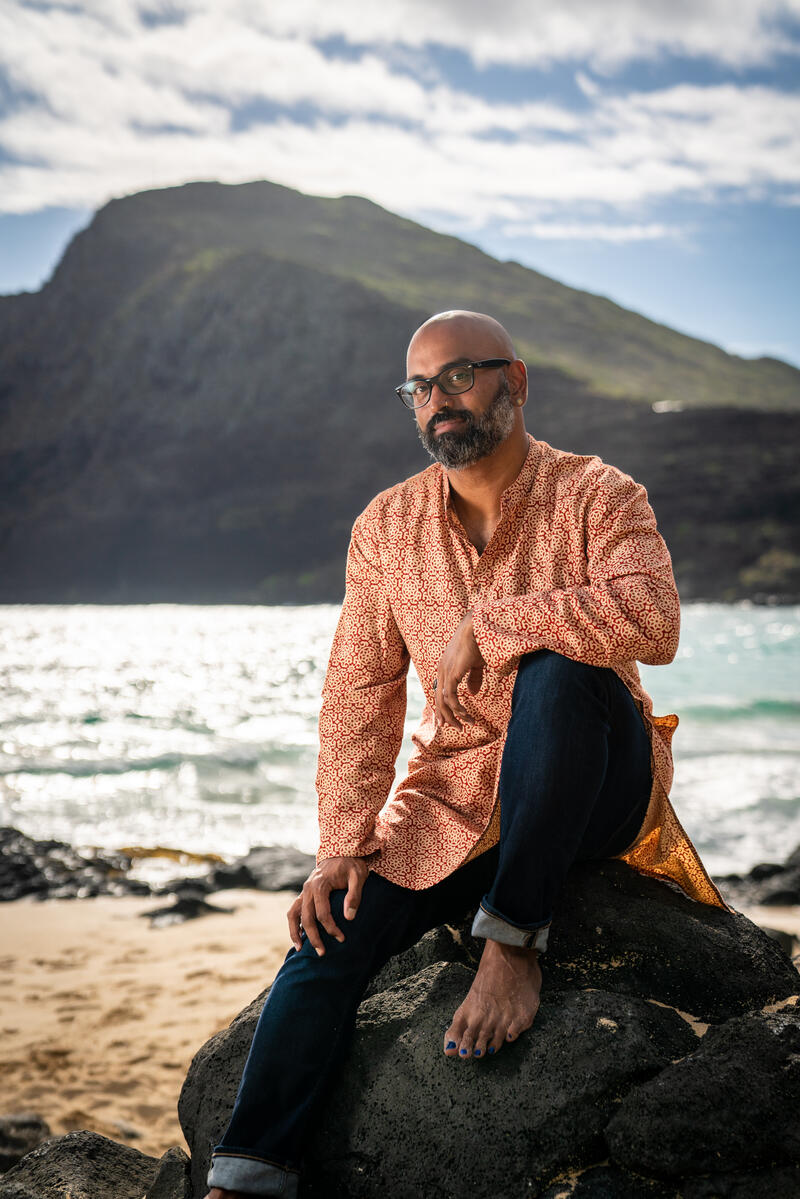
Rajiv Mohabir tells us about writing Banbas/Exile: A Ramayan Retelling—how it emerged from his grandmother’s language that was…